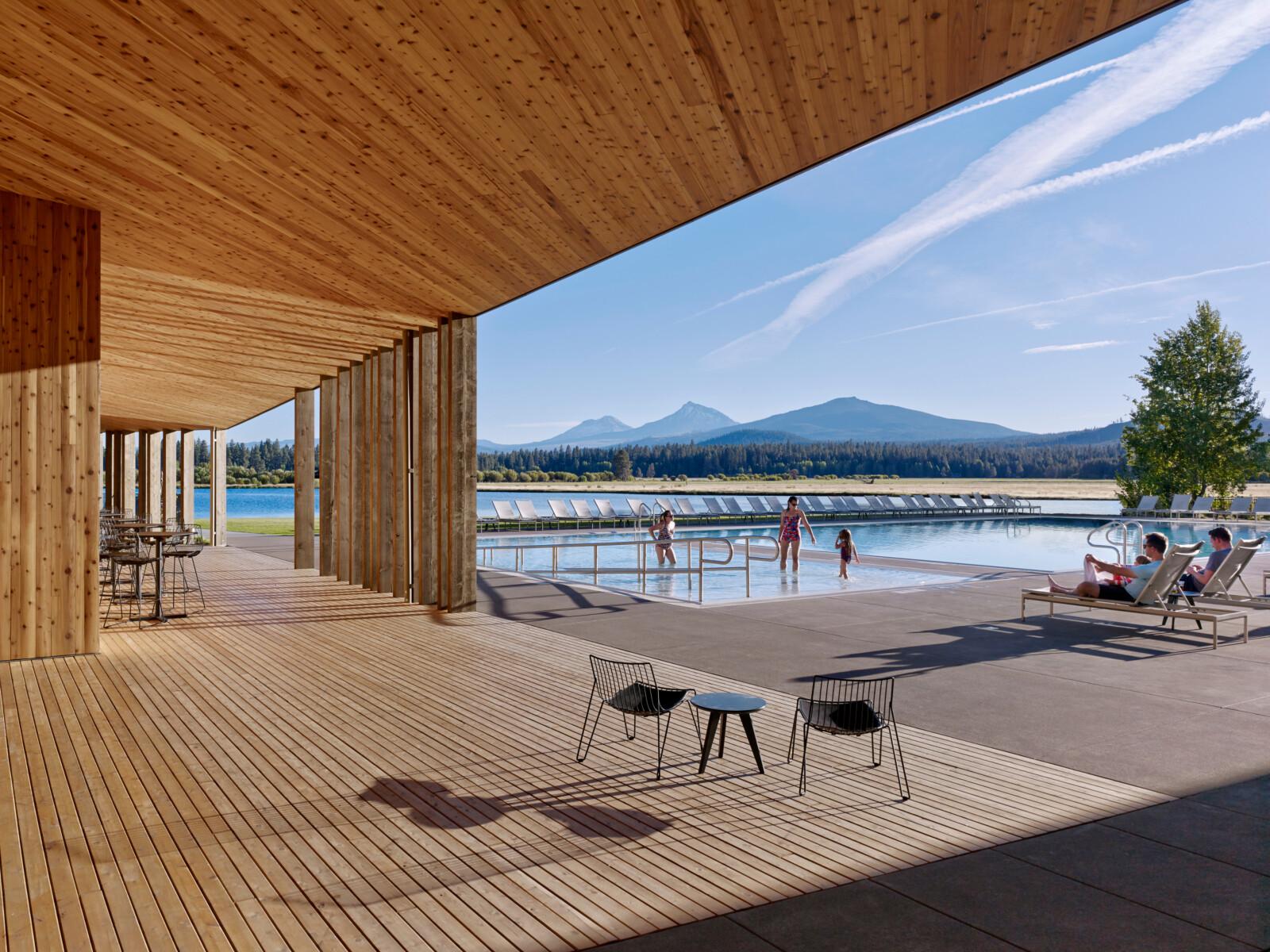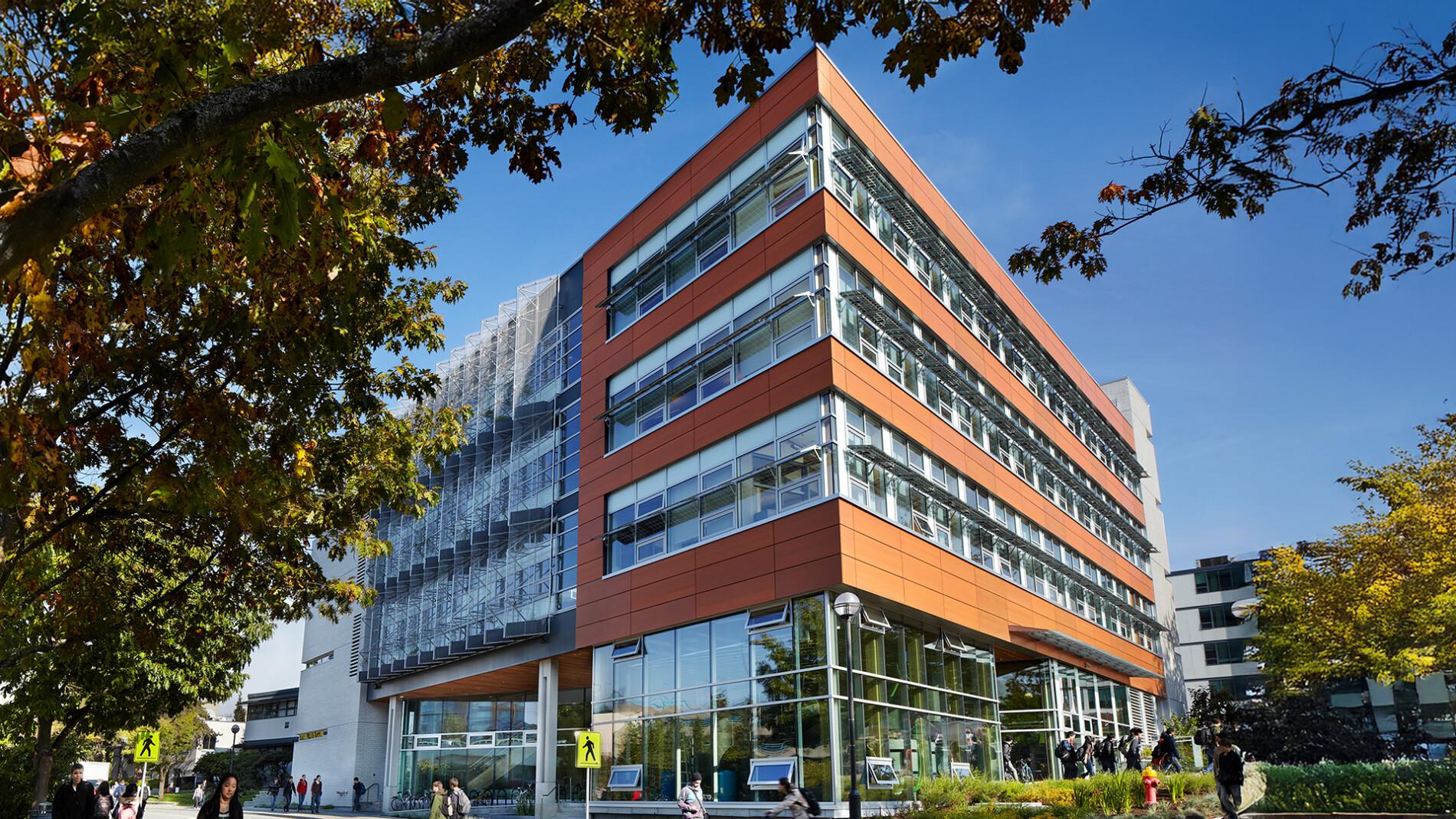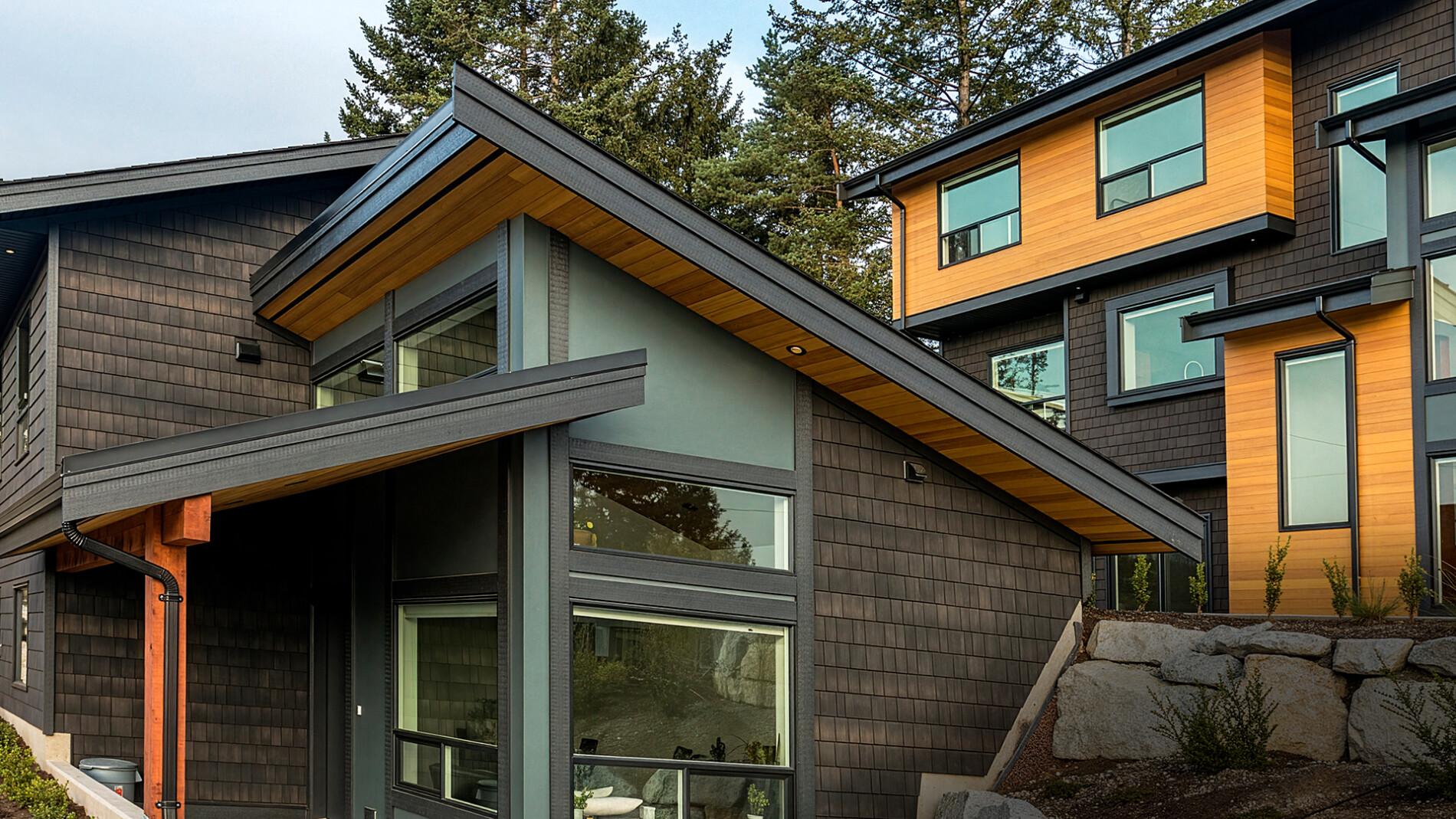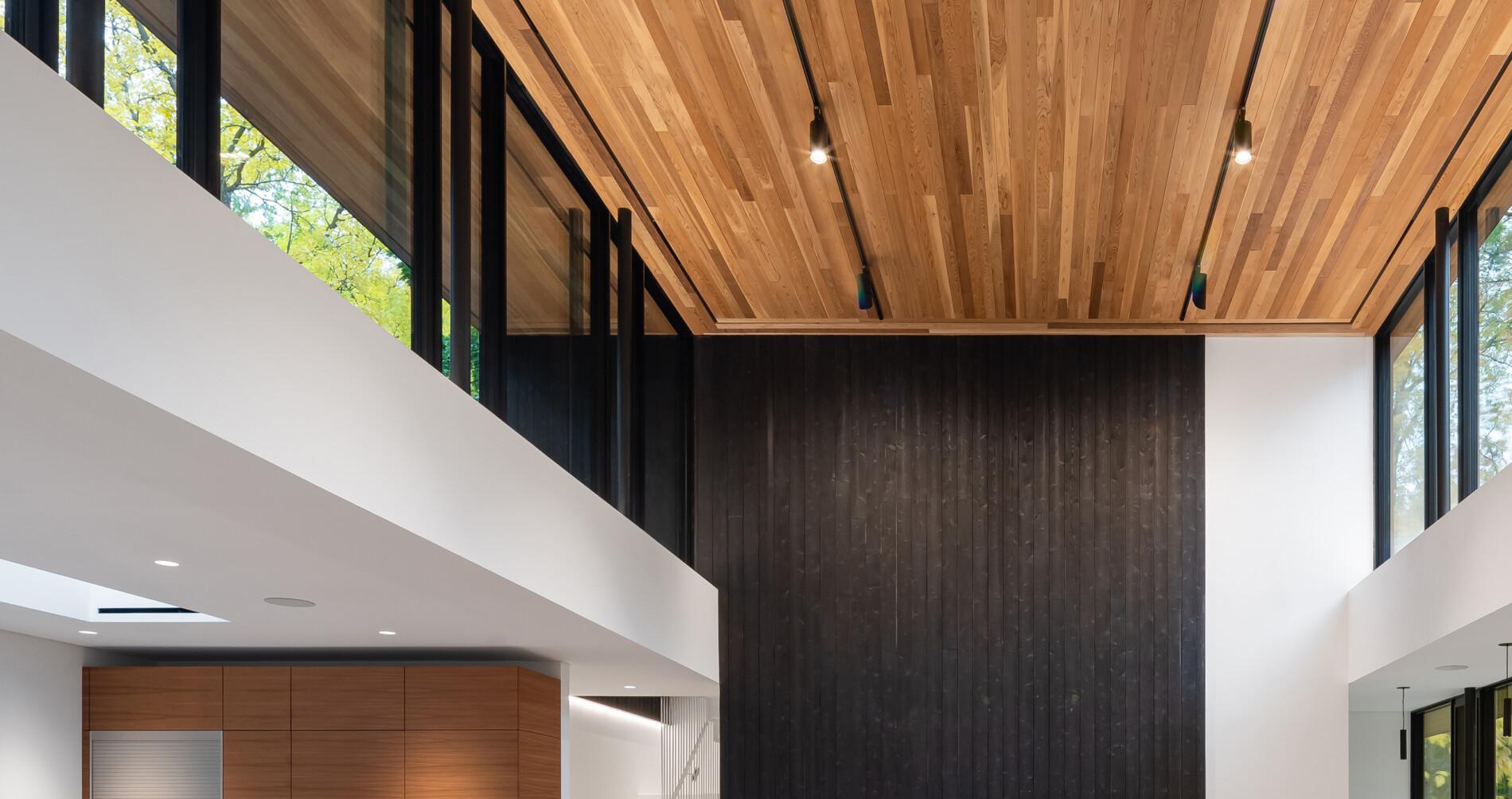
Design professionals and contractors trust RealCedar as the ultimate resource for Western Red Cedar.
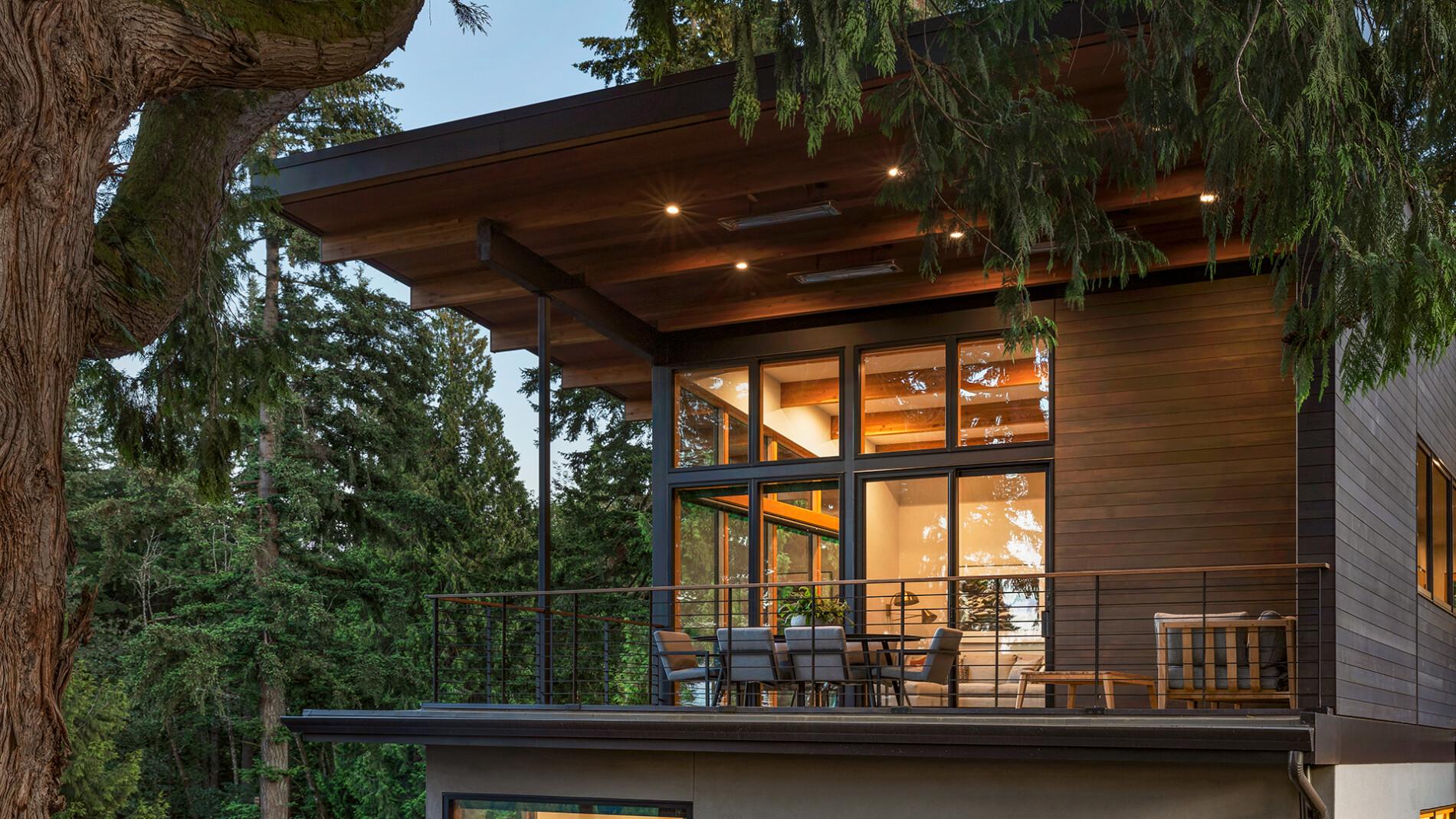

Western Red Cedar is prized for its natural durability, environmental sustainability and easy handling.
The combination of stunning aesthetics with a low environmental footprint will elevate any project.
Western Red Cedar is green by nature, but certification is a bonus for consumers looking for an added assurance. More than 85 percent of timberland in British Columbia, Canada—where most Western Red Cedar comes from—is certified by internationally recognized, independent forest certification agencies.
In all important measures—total energy use; greenhouse gas emissions; air pollution; solid waste; ecological resource use; water pollution—Western Red Cedar is the more sustainable building material when compared to steel and concrete.


Architectural Evolution Toward Biophilia
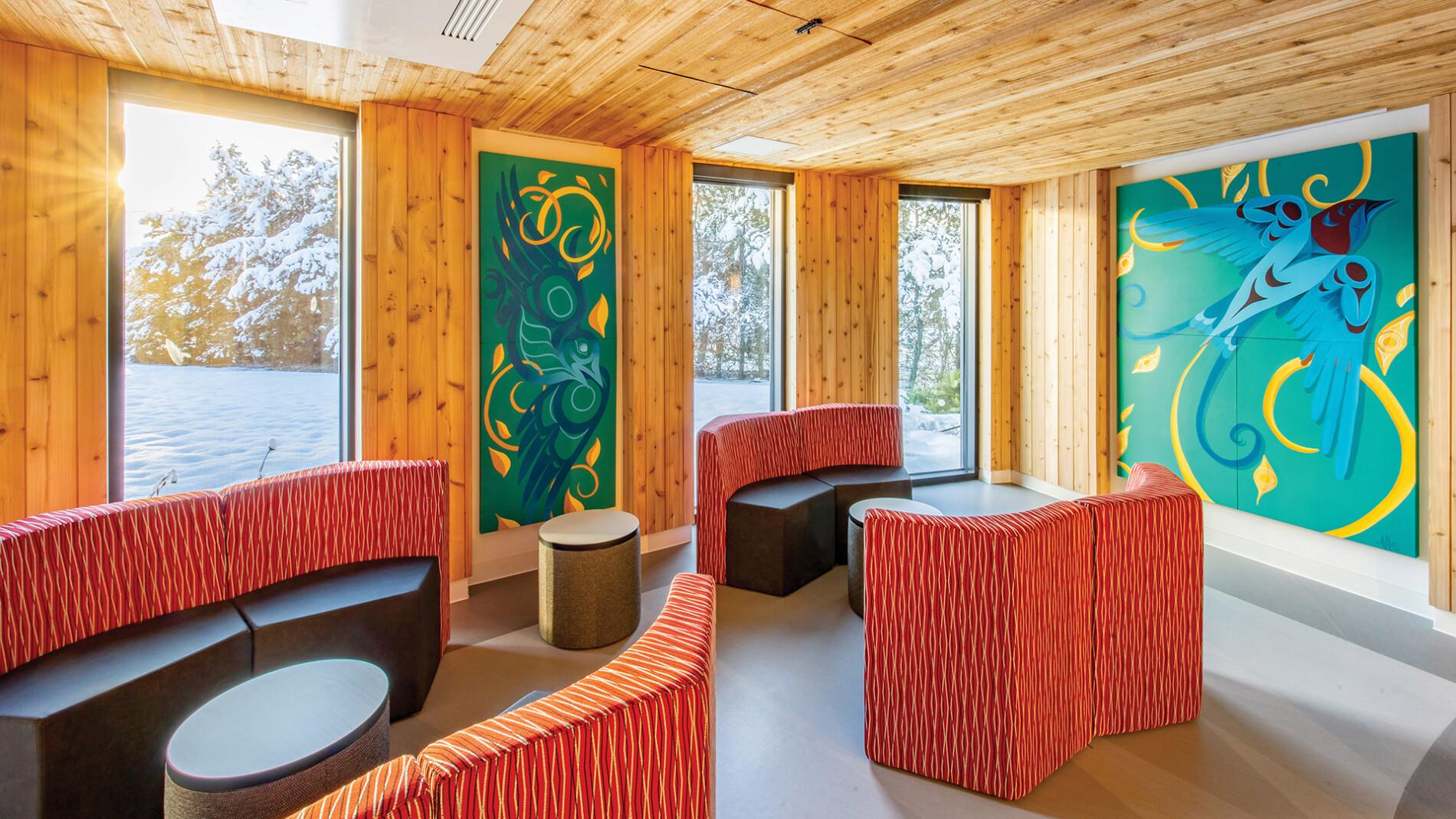
Biophilia research with Western Red Cedar proves that “greenness” has a measurable impact on occupants. And not just in residential applications. In retail and hospitality, it enhances customer experience. In healthcare, it contributes to faster healing. In workspaces, it promotes productivity and boosts morale. As urbanization continues, factoring these benefits into modern design is more crucial than ever.
A Strong Biophilic Response
When it comes to meeting our innate need to connect with nature, Western Red Cedar offers a robust and immediate response. With the wood’s warm textures, natural smells, and distinct visual patterns, grain, color, it’s a strong driver of biophilic design. It’s tactile, visually pleasing, and offers a calming olfactory experience.

Architectural Evolution Toward Biophilia
Biophilia research with Western Red Cedar proves that “greenness” has a measurable impact on occupants. And not just in residential applications. In retail and hospitality, it enhances customer experience. In healthcare, it contributes to faster healing. In workspaces, it promotes productivity and boosts morale. As urbanization continues, factoring these benefits into modern design is more crucial than ever.
A Strong Biophilic Response
When it comes to meeting our innate need to connect with nature, Western Red Cedar offers a robust and immediate response. With the wood’s warm textures, natural smells, and distinct visual patterns, grain, color, it’s a strong driver of biophilic design. It’s tactile, visually pleasing, and offers a calming olfactory experience.

Architectural Evolution Toward Biophilia
Biophilia research with Western Red Cedar proves that “greenness” has a measurable impact on occupants. And not just in residential applications. In retail and hospitality, it enhances customer experience. In healthcare, it contributes to faster healing. In workspaces, it promotes productivity and boosts morale. As urbanization continues, factoring these benefits into modern design is more crucial than ever.
A Strong Biophilic Response
When it comes to meeting our innate need to connect with nature, Western Red Cedar offers a robust and immediate response. With the wood’s warm textures, natural smells, and distinct visual patterns, grain, color, it’s a strong driver of biophilic design. It’s tactile, visually pleasing, and offers a calming olfactory experience.