



Architect Spotlight: CplusC

Sydney firm is taking Australian wood design to the next level
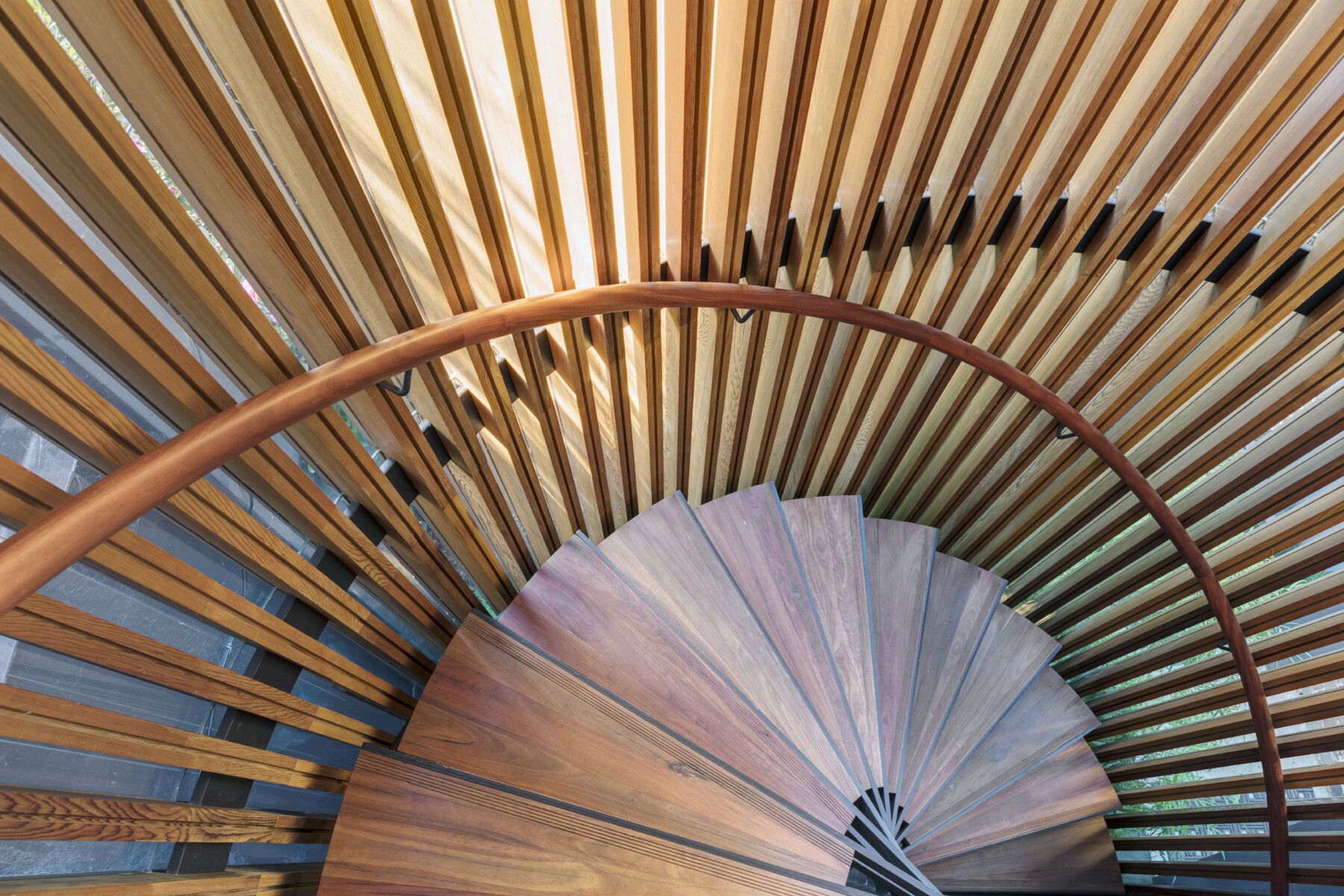
Photo: Murray Fredericks
CplusC is that rare beast in residential design: a single team of architects and builders working together from first sketch to final handover. For more than 20 years, the Sydney-based studio has delivered inventive, highly personalised premium homes—pairing architectural ambition with cost awareness and detailing that holds up in daily life.
Led by architect and master builder Clinton Cole, CplusC has also become an industry leader in regenerative design, creating houses that don’t just reduce impact, but actively improve how they perform and how they’re lived in.
That integrated approach shows up most clearly in the way the practice designs with timber—and particularly Western Red Cedar—as both a material and a method. Across many of their standout projects, cedar is specified where it can do more than “look good”: bringing warmth and tactility to interior linings, precision and stability to door and window joinery, and durability to exterior cladding and outdoor applications—proof that thoughtful wood design can be as practical as it is beautiful.
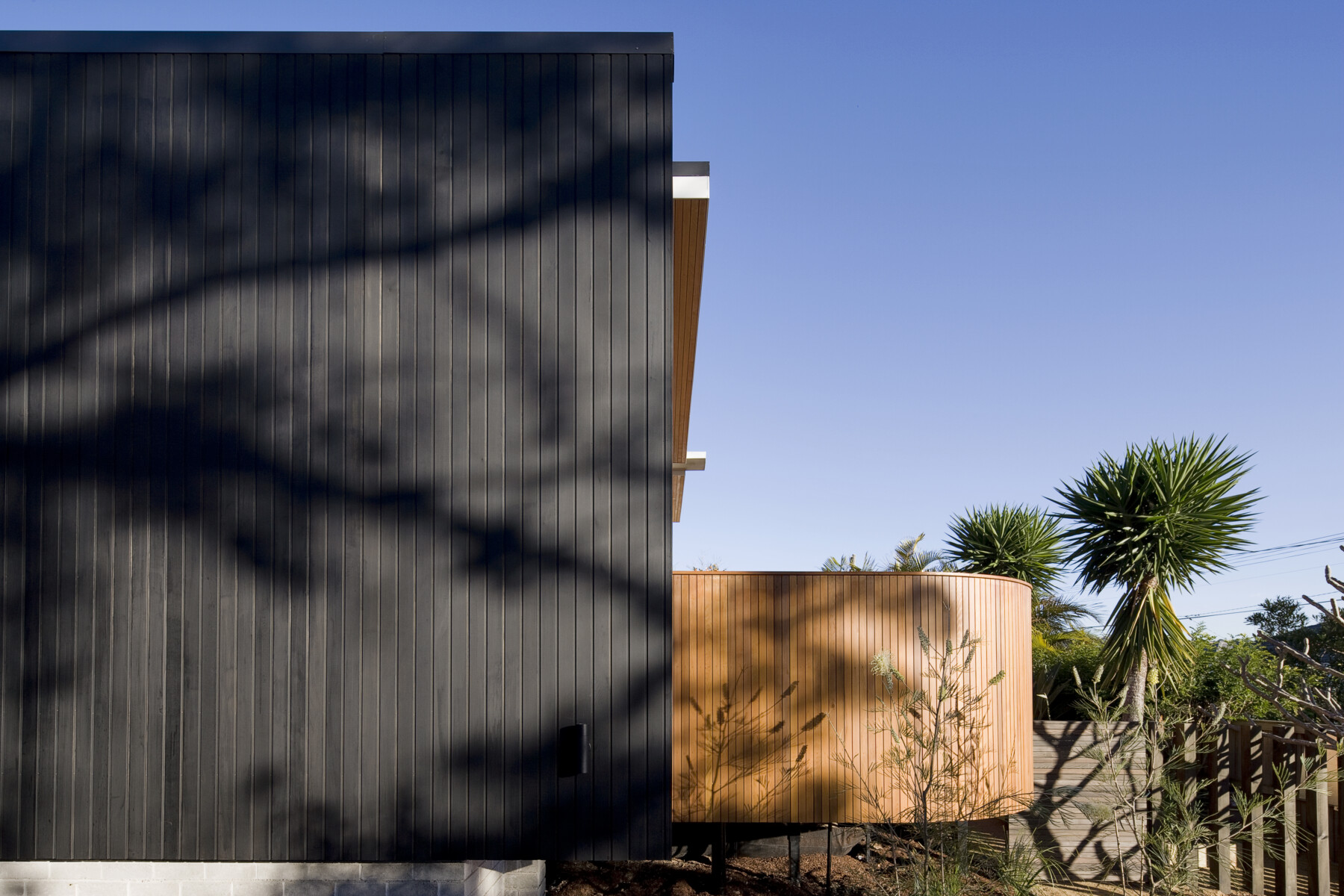
Photo: Murray Fredericks
Innovative exteriors that add curb appeal
A clear expression of that thinking is Infinity House on Sydney’s Northern Beaches. This compact, carefully calibrated home is shaped as much by constraints as by ambition. With a tight site and an even tighter timeframe, CplusC delivered a streamlined curved form that brings a sense of ease and flow to everyday living—while supporting an age-in-place strategy designed for long-term comfort.
Internally, living spaces to the east and private spaces to the west are organised around a central structural/services zone in timber studwork clad with laminated veneer, consolidating storage and utilities while keeping the plan efficient and adaptable.
“Externally, stud frame walls are clad with Western Red Cedar shiplap boards, stained black and orientated vertically,” explains Cole. “This creates a bold, modest aesthetic which contrasts with the clear oiled Western Red Cedar doors and windows, used specifically in this application due to its light weight and durability.”
That contrast—between black-stained cladding and naturally finished cedar—lands as a deliberate design feature, made easier by the material itself. Because Western Red Cedar is pitch- and resin-free, it readily accepts a wide range of finishes and holds them beautifully, allowing designers to shift tone and character without losing the timber’s grain and texture.
Although completed in 2022, Infinity House still reads as fresh and composed. This is helped by Western Red Cedar’s natural resistance to rot, decay, and insect attack, making it a dependable choice for cladding and joinery where long-term performance is as important as visual impact.
“Four years on we feel satisfied,” says the home’s owner of CplusC’s work on this project. “We regularly receive comments and inquiries from people about our property.”
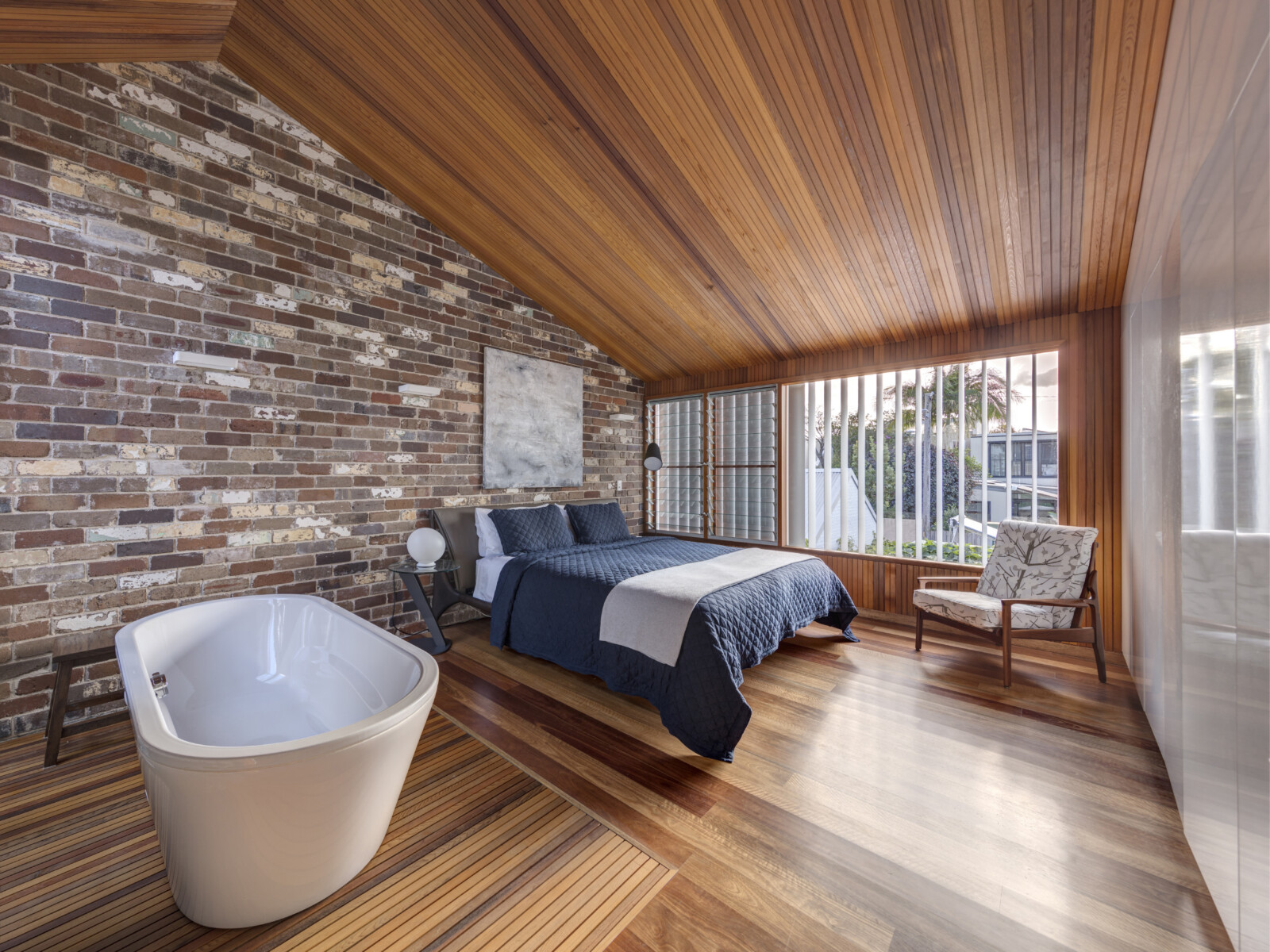
Photo: Murray Fredericks
Warm, green living interiors
If Infinity House shows cedar’s strength outdoors, Aquas Perma Solar Firma demonstrates how the same lumber can shape the experience of a highly sustainable home. This rethink of the Sydney terrace is tailored to a modern, environmentally conscious couple determined to make every square metre work harder for energy and food production.
Winner of the National Sustainability Awards, the project shifts the conversation from bolt-on “green features” to an everyday, lived sustainability—integrating systems for aquaponics, rainwater capture and reuse, composting and worm farming, productive planting, solar hot water and photovoltaic power generation.
Inside, Western Red Cedar is threaded throughout to create moments where warmth, light, and tactility matter most—but it’s the ceiling that truly steals the show. Here, shiplap cladding wraps up and over the space in a continuous timber plane, set against an exposed LVL structure and black film plywood. The cedar boards emphasise length and direction, drawing the eye toward the glazing and making the pitched volume feel both expansive and cocooning at once.
Cedar’s precision shows again in the stairwell, where Western Red Cedar mullions are paired with painted steel and clear glass, and set against recycled spotted gum stair treads. The result is a highly crafted screen that filters views and light, giving the sustainable “engine room” of the house a refined architectural identity—one that reads as design first, and technology second.
“The architects have really added value to the sustainability brief…actually making it a feature, so it’s not hidden away,” says the home’s owner.
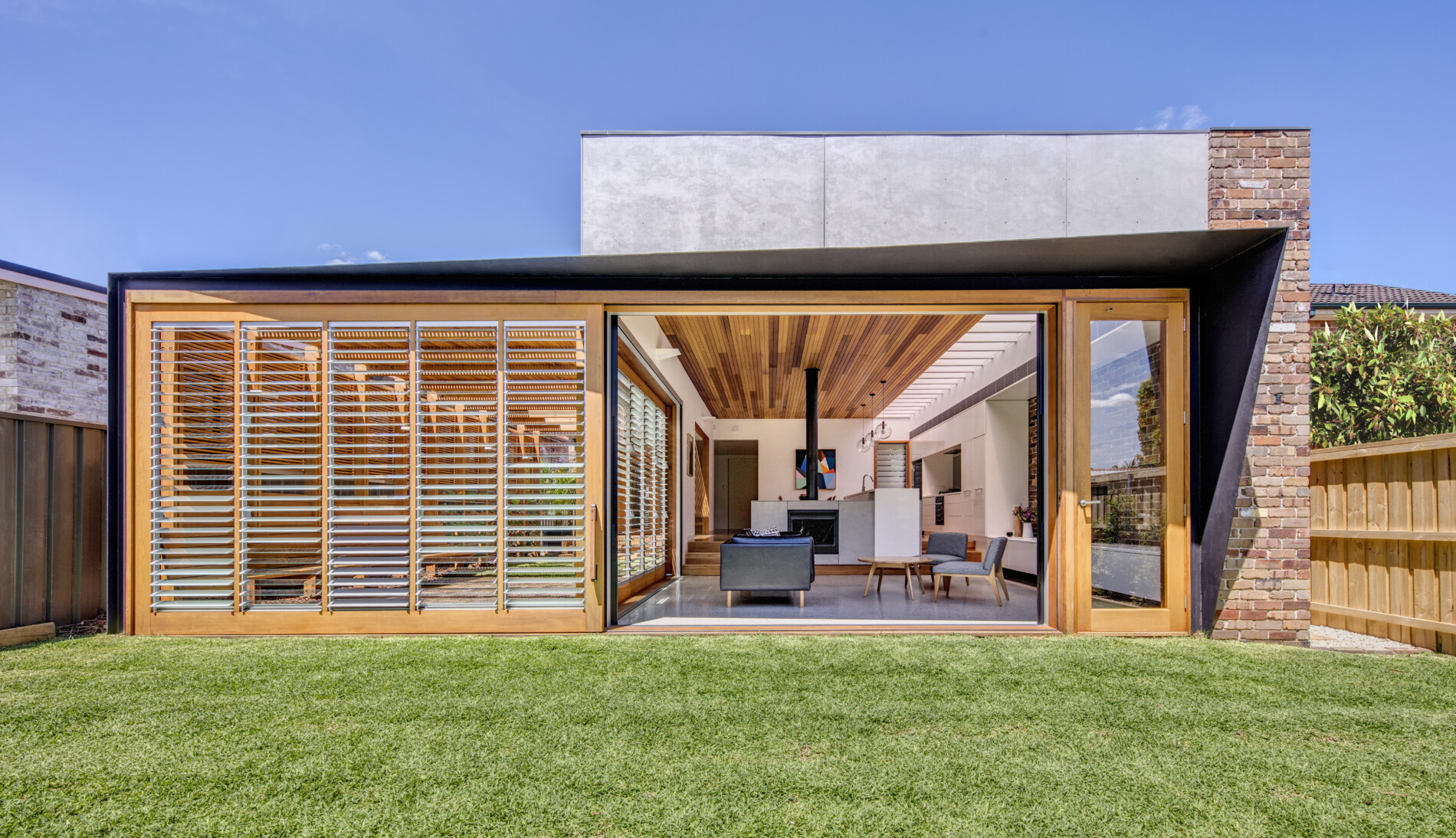
Photo: Michael Lassman
Sustainable, integrated outdoor spaces
Where Aquas Perma Solar Firma uses cedar to warm and unify a performance-driven interior, Sliding Doors shows how cedar joinery can make everyday indoor–outdoor living feel effortless. This family-focused rear addition creates new living space that flexes with changing needs, strengthens the connection to the yard for supervising small children, and supports easy entertaining.
CplusC’s solution centres on two oversized sliding doors on the rear façade: in cooler months they can close the room down while still admitting light; in warmer weather they slide away to open the living space directly to the lawn, effectively expanding the usable footprint. Fitted with a mix of opaque, clear, and frosted glass louvres, the doors give the owners precise control over air, light, and privacy—tuning the room’s exposure without losing openness to the garden.
Western Red Cedar is what makes the big gesture feel crafted rather than industrial. Used to frame the sliding doors—and repeated on the adjoining window and door openings—the cedar brings warmth, grain, and a tactile edge to the threshold, softening the hard lines of the extension while visually pulling the outdoors into the architecture.
“The design is beyond what we had imagined and the quality of the build is outstanding,” attests the owner.